
Navigating the Sales Funnel From
Awareness to Purchase
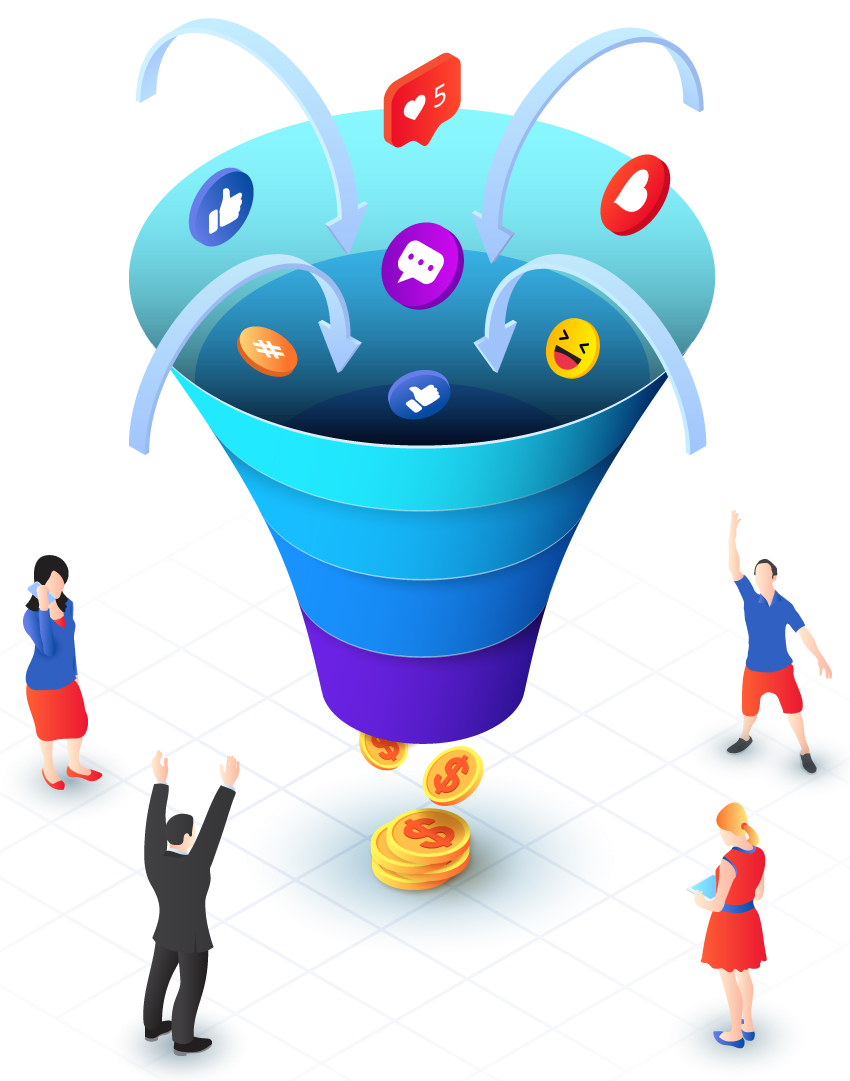
Traditionally, marketers have viewed the path to purchase as a linear progression
from awareness to consideration, action and loyalty. Today, however, the consumer
journey can be more circuitous and dynamic. Consumers can become aware of
products from a variety of channels and touchpoints—including social media, email,
search engines, video content and more. Having a solid understanding of how
consumers move through these stages can help you create the right message to
engage them.
The first step is to make sure that your company’s brand is top of mind when
consumers are in the awareness phase. This can be achieved through a variety of
channels, including SEO, social media and paid ads. It is also important to
understand what the consumer is looking for at this stage, such as specific features
or pricing. A good example of this would be someone searching for a new
refrigerator, who may want to learn about the best brands and their different
models.
As consumers enter the consideration stage, they have determined that they need a
product or service and have narrowed down potential solutions. At this point, they
are ready to research each option and are interested in the pros and cons of each
solution. Providing content that addresses these issues is a great way to move them
through this stage. For example, a refrigerator comparison chart can show
consumers how your product compares to competitors. It can also highlight the
unique features of your product that set it apart from others.
Providing this type of content can help consumers feel confident in their purchasing
decision. However, it is important to avoid bombarding them with too much
information at this stage. For example, if a customer is researching refrigerators and
calls a salesperson to discuss the benefits of their product, the salesperson may
immediately jump into the price discussion. This can make the prospect feel like
they are not being heard and that the salesperson is not being helpful.
After the consideration stage, a prospect is ready to buy. At this stage, a well-
crafted call to action can be enough to convert a prospect into a customer. For
instance, a call to action that offers a free consultation can help prospects decide on
the right product for their needs.
Measuring metrics for each stage of the funnel is important to determine how
successful your marketing efforts are. For example, tracking SEO impressions,
website dwell times and form submissions can help you gauge the effectiveness of
your content in the interest stage of the sales funnel.
By analyzing these metrics, you can improve your marketing tactics and increase conversions. If you are struggling to generate leads, a professional marketing agency can help.
Free Training video
How To Transform Your Online Business with Our Universal Sales Funnel Template
My Recent Posts
All-in-One Sales Automation Platform
Check out my recent post on all-in-one sales and marketing tools and what I think of it.
Sales Funnels
Check out my recent post on sales funnels and what I think about them. Are they still worth it?

Hi, I’m Albert Tichenor, a digital marketing coach from Indiana. For years, I felt trapped in a cycle of working just to get by, stuck in a warehouse job that drained my time, energy, and dreams. After many failures, setbacks, and lessons, I finally broke through—and now I help others do the same. My mission is simple: to empower everyday people to build digital businesses that give them true freedom, so working a job becomes a choice, not a necessity.
Albert Tichenor
©Copyright 2025 GLOBAL MARKETING LIST
5868 E. 71st Street
Suite E
Indianapolis, IN 46220